One Day To Become A Refugee
Reframing the Human Cost of Conflict
An estimated 468 million children are growing up in the shadow of conflict.
Yet the global refugee crisis is often reduced to headlines, statistics, and breaking news cycles creating distance rather than connection. Conflict was visible everywhere — yet emotionally abstract.
For a year-long global fundraising campaign focused on children affected by war and disaster, the objective was to deepen empathy and drive sustained support — not just momentary awareness.
The goal was not simply to illustrate conflict, but to restore emotional proximity and humanize crisis in a way that was both urgent and ethically grounded.
The Problem
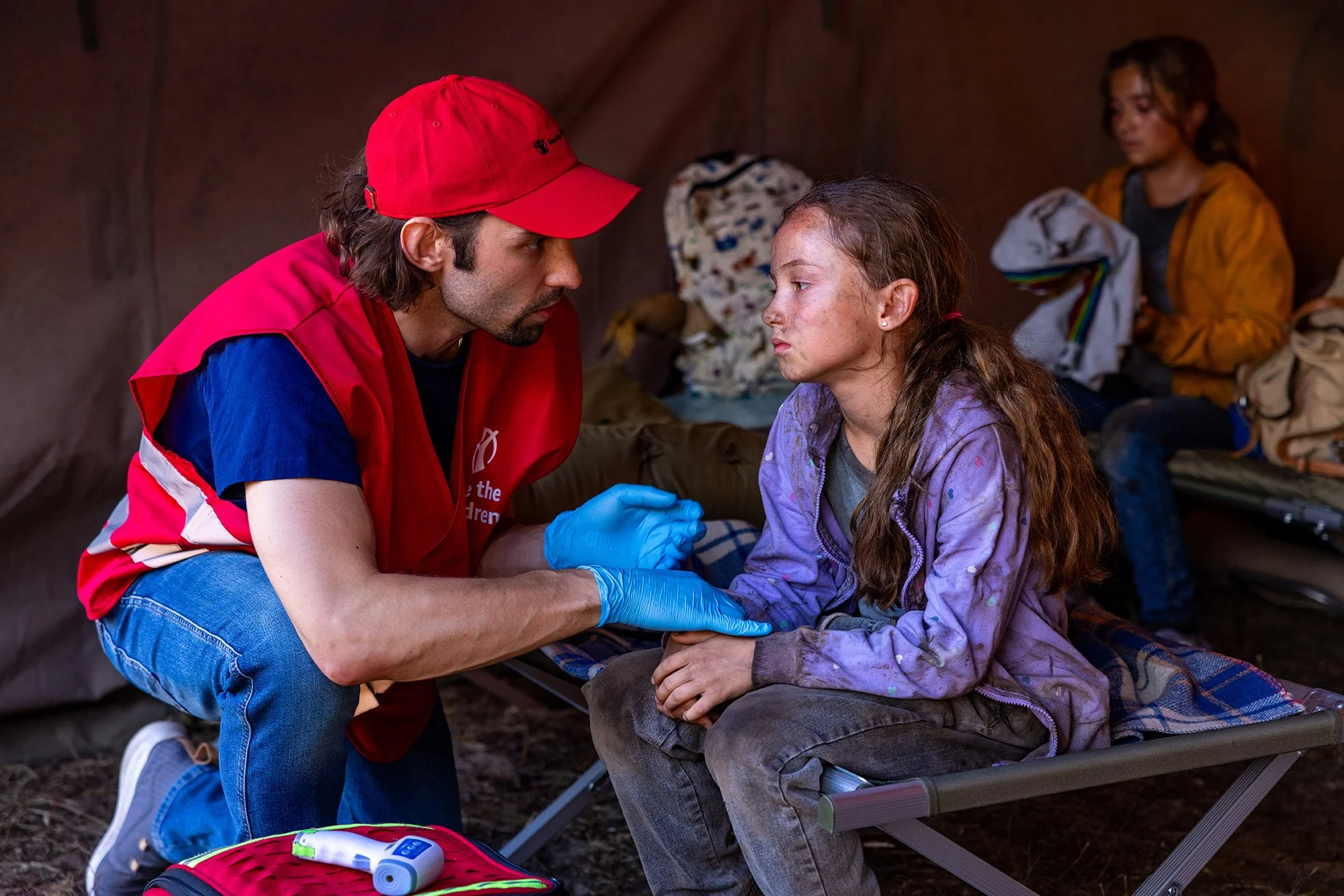
How do you make the human cost of displacement impossible to ignore — without exploiting trauma or compromising dignity?
The Challenge
Audiences don’t disconnect because they don’t care.
They disconnect because crisis feels abstract and overwhelming.
Instead of documenting a single real child’s journey, which risked retraumatization and identity exposure, we realized the emotional truth of displacement could be conveyed through a composite narrative rooted in lived experiences.
If we could compress the arc of crisis into a single, intimate story, viewers would feel what statistics cannot communicate.
The Insight
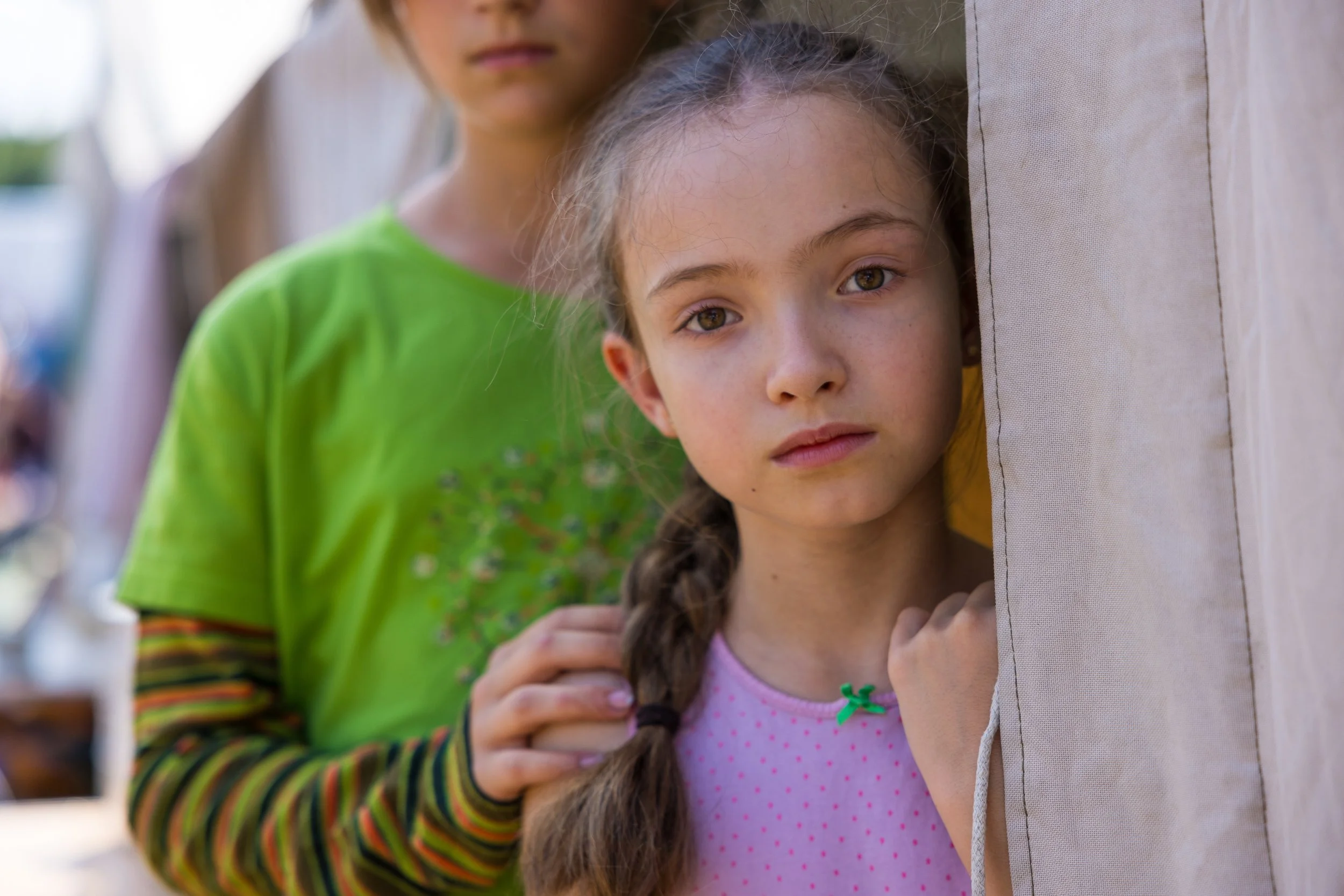
In partnership with Spokój Film in Poland — where families displaced by the war in Ukraine were being supported — we developed the story of Nadia, a fictional character inspired by the real accounts of displaced children.
The film would:
Follow a 94-day journey from first explosion to fragile safety
Anchor the crisis in one child’s perspective
Use actors to protect identities while preserving emotional truth
Conclude with a narrative reset — a new disaster striking another child — reinforcing the relentless cycle of crisis
The objective was not only awareness, but empathy sustained long enough to move audiences toward action.
The Strategy
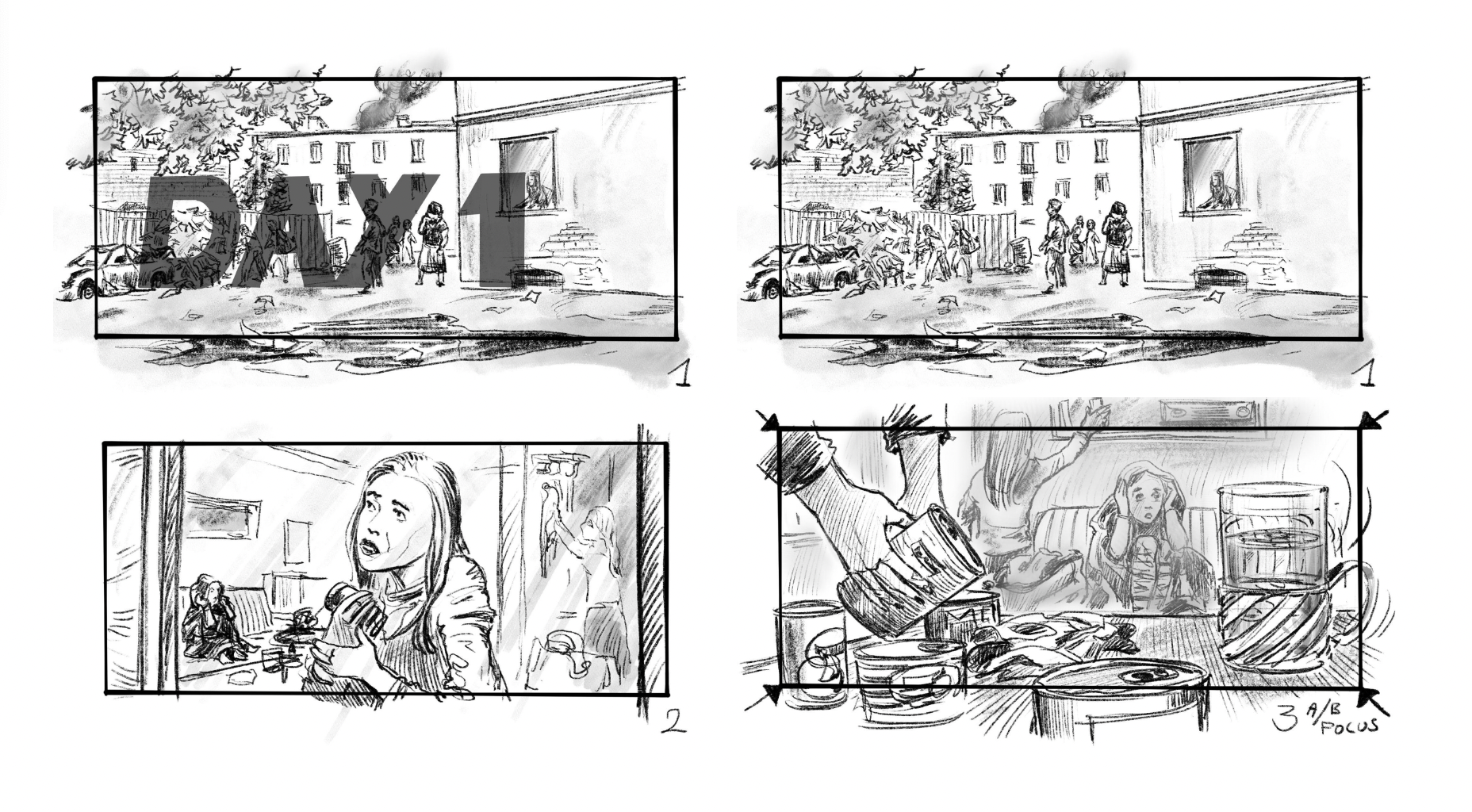
I supported the end-to-end creative development and execution of the film, shaping the narrative architecture and guiding visual storytelling in close partnership with Spokój Film.
Pre-Production
Developed the composite storyline based on real accounts of displaced children
Shaped narrative architecture and emotional arc, including the cyclical reset structure
Partnered with Spokój Film on creative direction and production planning
Contributed to location scouting and established visual tone to ensure realism and authenticity
Embedded ethical safeguards in casting and representation decisions
Field Production
Collaborated on directing performance pacing to reflect the psychological impact of displacement
Supported on-set creative decisions to balance emotional intensity with dignity-first storytelling
Photographed key still imagery for cross-channel use
Post-Production
Helped shape editorial pacing to sustain emotional engagement
Ensured narrative clarity across the 94-day journey arc
Supported final visual refinement and distribution-ready deliverables
The Execution
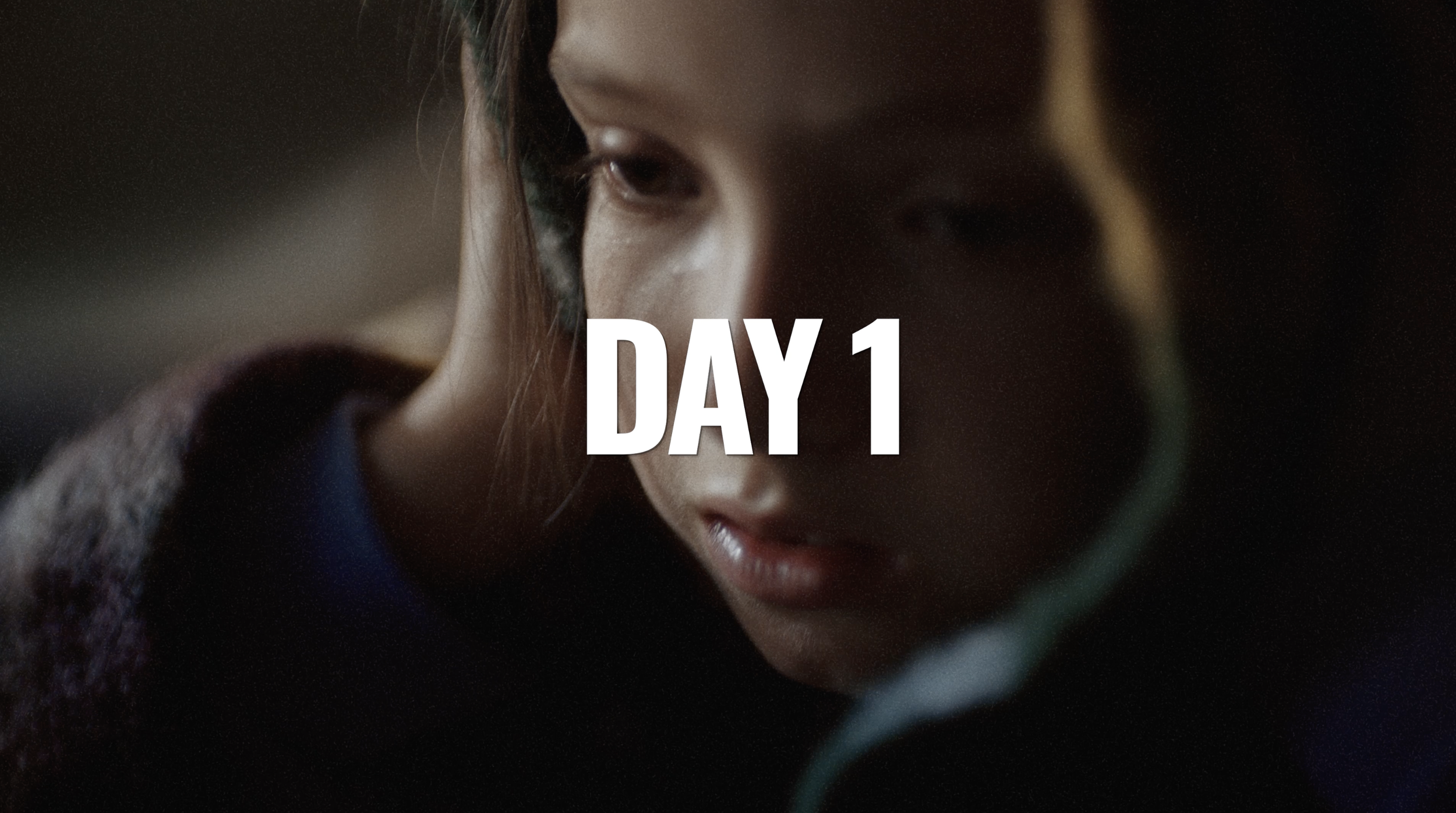
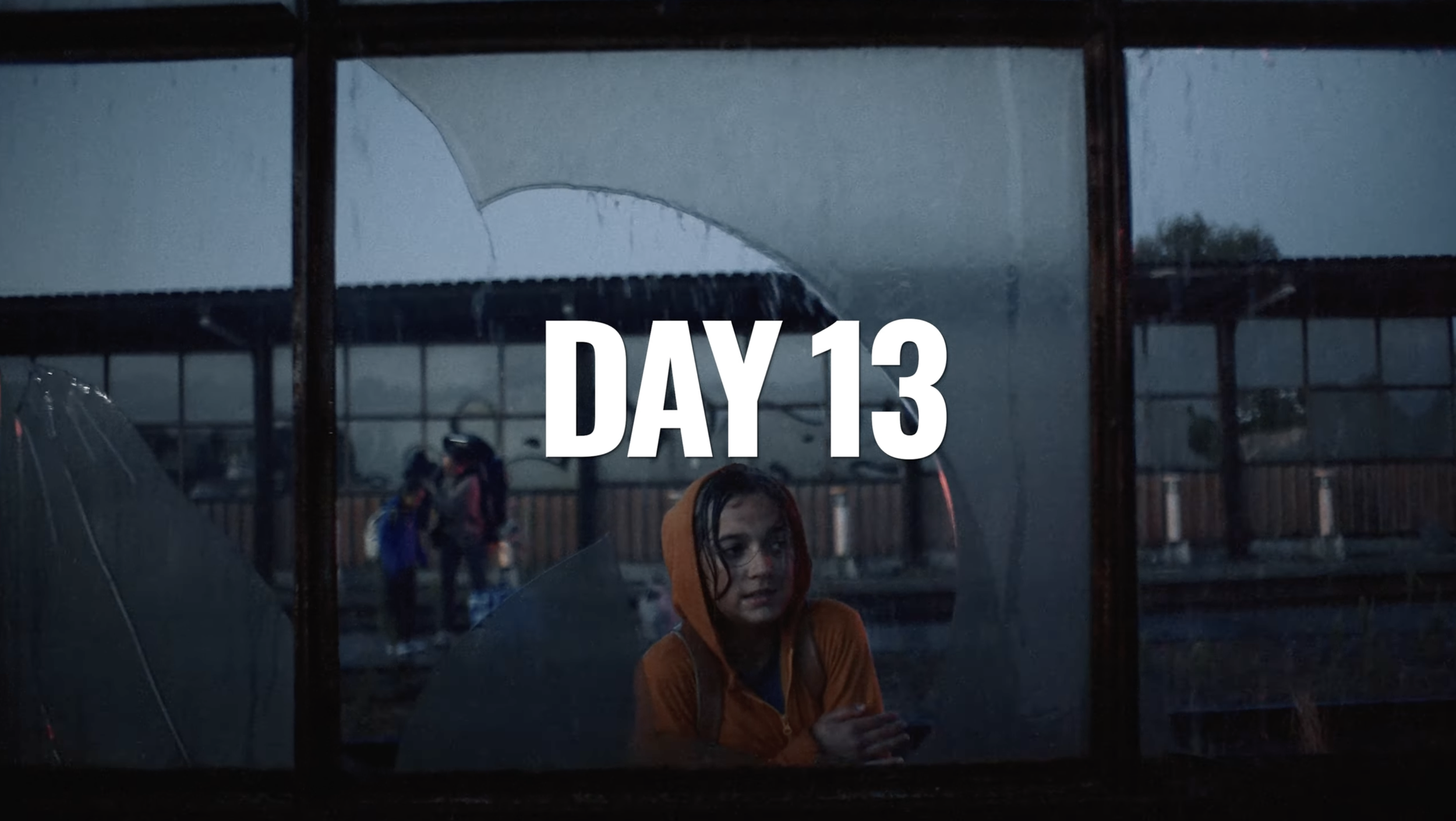
The short film reframed the refugee crisis through a deeply human lens, cutting through desensitization and restoring emotional proximity.
It received both the Audience Award and Bronze Award at the 17th Annual Shorty Awards — affirming the power of ethically grounded, emotionally resonant storytelling to shape public perception.
More importantly, it demonstrated that strategic narrative design can move audiences beyond awareness toward empathy and action.
The Impact
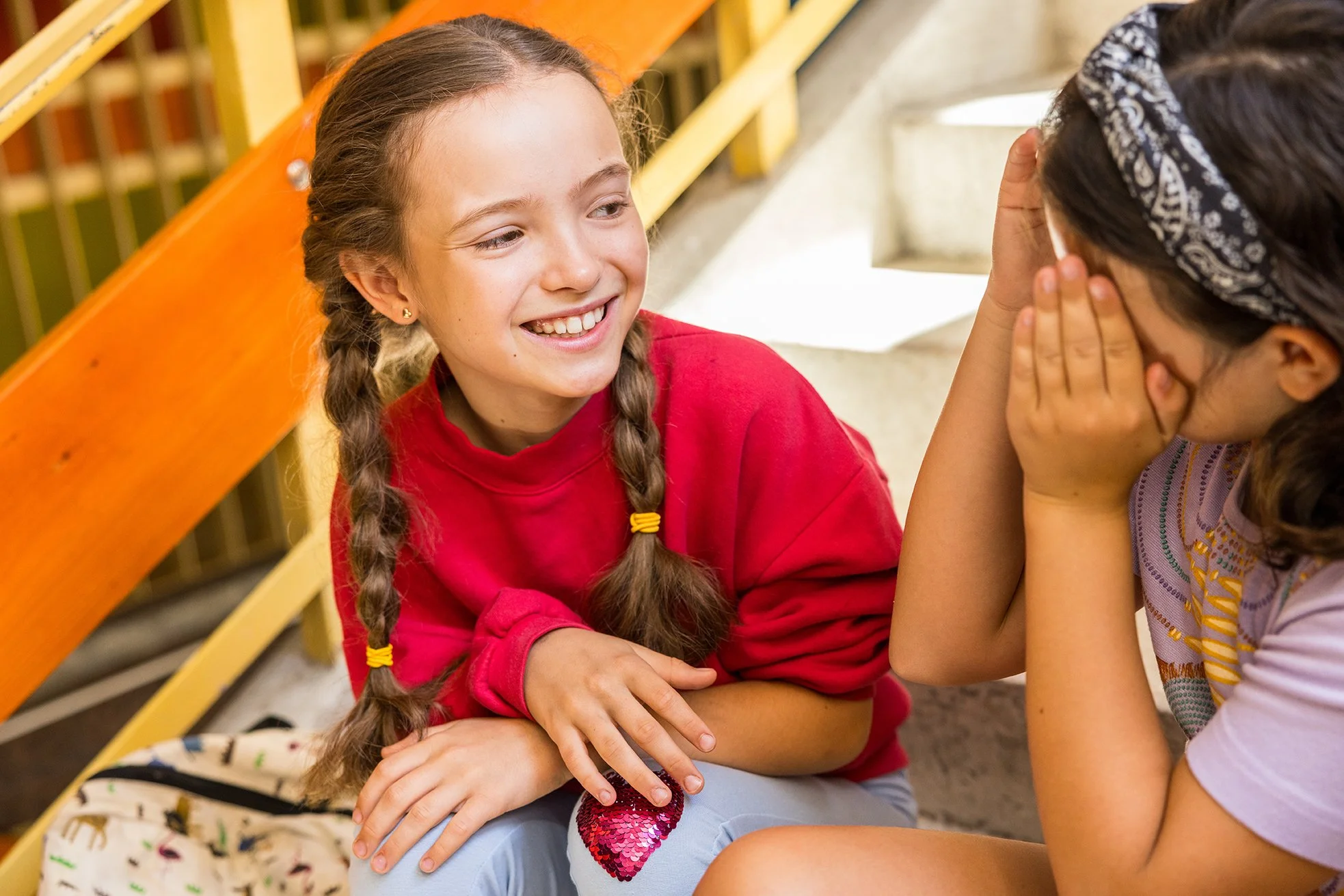
Behind every number is a child whose life changed in an instant.
Balancing urgency with ethical storytelling to turn crisis headlines into human connection.